Featured
Table of Contents
That maximizes money in the short-term, and you might have three to four years to conserve towards the settlement quantity. Really harmful to credit report, mainly due to missed settlements and an adverse "worked out" mark that could remain on your credit rating report for up to seven yearsMay be only choice if various other choices (financial debt combination, equilibrium transfer charge card, debt forgiveness) aren't possibleTypically calls for a fee to the 3rd party, which might counter some or every one of the financial savings from financial debt settlementMay aid you prevent bankruptcy if you have actually missed numerous paymentsNot all financial institutions collaborate with financial obligation negotiation firms Financial debt forgiveness may be best for you if you are experiencing a monetary difficulty that makes it almost difficult to pay for your financial obligation equilibriums.
With a DMP, you make one monthly settlement to the credit score therapy agency. Those funds are then distributed to lenders of your unprotected financial obligations, such as credit score cards and installment finances. The agency works with your creditors to lower interest prices or waive charges, but some lenders may reject such concessions.
It can assist you pay down financial debt if you're able to secure a car loan price that's reduced than the average rate of the accounts you're settling. You need to avoid from racking up debt on those newly gotten rid of accounts or your debt could grow even greater.
That gives you lots of time to remove or considerably minimize your equilibrium while making interest-free repayments.
The Definitive Guide for How Much Debt Counseling Usually Charge
You may require it if your creditor or a collection agency ever before attempts to collect on the debt in the future. When a lender forgives $600 or even more, they are needed to send you Form 1099-C.
Financial obligation mercy or settlement usually injures your credit. Anytime you resolve a debt for less than you owe, it might show up as "resolved" on your credit record and affect your credit report for 7 years from the date of negotiation. Your credit score can additionally drop considerably in the months causing the forgiveness if you fall back on payments.
More About Developing a Healthy Budget That Works
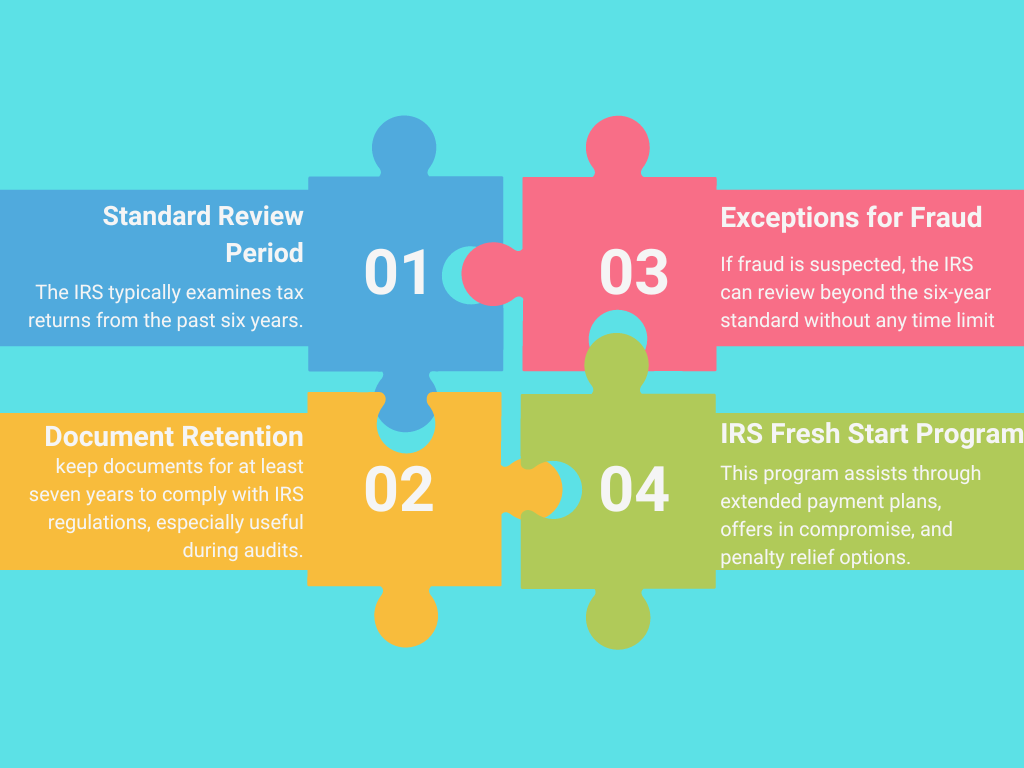
Tax financial obligation concession programs Tax obligation debt occurs when the quantity of tax obligations you owe surpasses what you have paid. This situation often results from underreporting income, not filing returns in a timely manner, or disparities found throughout an internal revenue service audit. The consequences of gathering tax obligation debt are severe and can include tax liens, which offer the internal revenue service a lawful case to your residential or commercial property as protection for the debt.
Higher rate of interest prices on available credit rating. Incomes and Financial institution Accounts IRS can impose (take) wages and savings account to satisfy the financial debt. Lowered income and interruption of important financial procedures. Property Seizure In severe situations, the internal revenue service can take and market building to cover the debt. Loss of useful possessions and potential displacement.
Depression, anxiety, and other psychological wellness concerns. Social Preconception Facing lawful action from the IRS can bring social stigma. Damage to reputation and relationships. Work Opportunities A poor credit report due to tax debt can restrict employment possibility. Trouble searching for or maintaining a task. Government Benefits Tax obligation financial obligation might impact qualification for government benefits, such as Social Safety And Security and Medicaid.
Top Guidelines Of Prevalent False Beliefs Regarding Debt Forgiveness
The OIC takes into consideration several factors, including the taxpayer's income, expenditures, possession equity, and ability to pay. Effectively bargaining an OIC can be complicated, requiring a comprehensive understanding of the IRS's guidelines and a strong argument for why your deal aligns with your capability to pay. It is essential to keep in mind that not all applications are accepted, and the process needs in-depth monetary disclosure.
The internal revenue service analyzes your total monetary situation, including your revenue, expenditures, property equity, and ability to pay. You should additionally be existing with all filing and settlement requirements and not be in an open insolvency proceeding. The IRS additionally considers your conformity history, assessing whether you have a document of prompt declaring and paying tax obligations in previous years.
The Best Strategy To Use For Is It Worthwhile vs Going It Alone Methods
The application procedure for a Deal in Compromise entails numerous detailed actions. You should finish and submit IRS Type 656, the Deal in Compromise application, and Kind 433-A (OIC), a collection details declaration for people. These types call for extensive financial info, including details about your revenue, financial obligations, costs, and properties.
Back taxes, which are unsettled taxes from previous years, can dramatically raise your complete IRS financial debt if not resolved immediately. This financial debt can accumulate passion and late settlement penalties, making the original amount owed much bigger with time. Failure to repay taxes can lead to the internal revenue service taking enforcement actions, such as providing a tax lien or levy against your property.
It is essential to attend to back taxes immediately, either by paying the sum total owed or by setting up a settlement strategy with the internal revenue service. By taking positive steps, you can stay clear of the build-up of additional passion and fines, and avoid extra aggressive collection actions by the internal revenue service.
One typical reason is the idea that the taxpayer can pay the full amount either as a round figure or via a layaway plan. The internal revenue service additionally considers the taxpayer's income, expenditures, asset equity, and future earning capacity. If these variables show that the taxpayer can manage to pay greater than the supplied quantity, the internal revenue service is most likely to reject the offer.
Reviewing Debt Relief Companies to Choose the Ideal Fit Fundamentals Explained
Dealing with Internal revenue service financial debt can be complex and difficult. Tax obligation professionals, such as Certified public accountants, tax lawyers, or enlisted agents, can offer very useful help.

Table of Contents
Latest Posts
Everything about What to Watch For While Evaluating Forgiveness Help
The 7-Minute Rule for Is It Worthwhile to Invest in Professional Debt Counseling
Everything about Real Testimonials of How Debt Counseling Helps You Tackle Debt Effectively : APFSC Users
More
Latest Posts
Everything about What to Watch For While Evaluating Forgiveness Help
The 7-Minute Rule for Is It Worthwhile to Invest in Professional Debt Counseling
Everything about Real Testimonials of How Debt Counseling Helps You Tackle Debt Effectively : APFSC Users